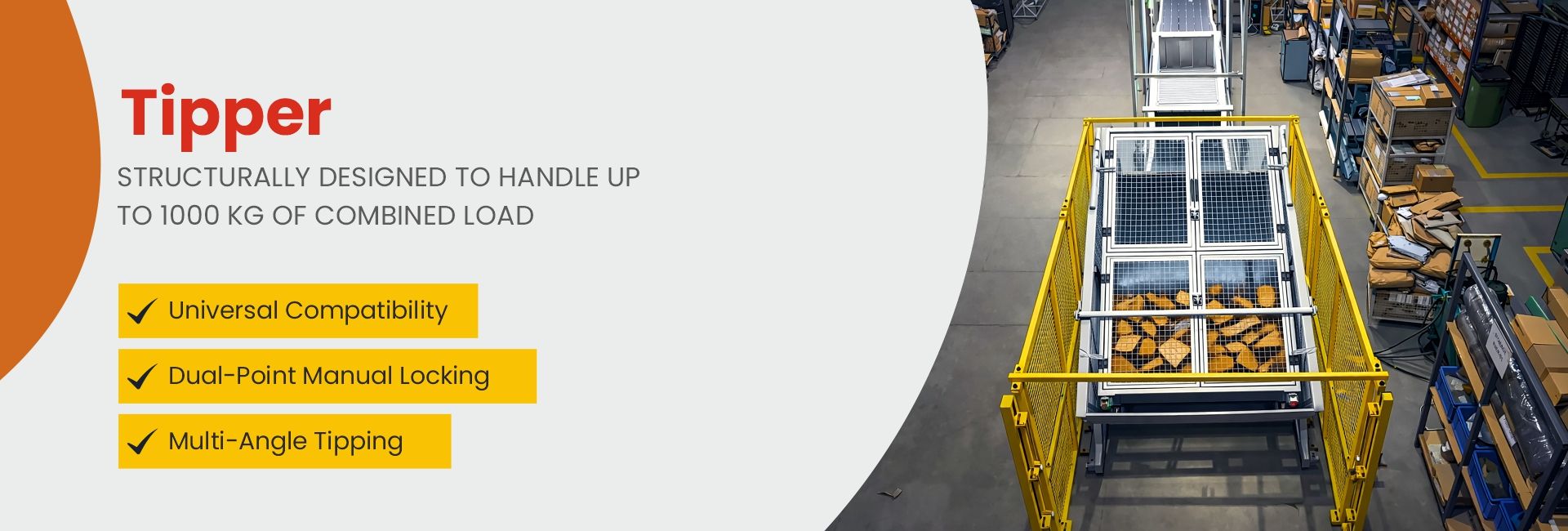
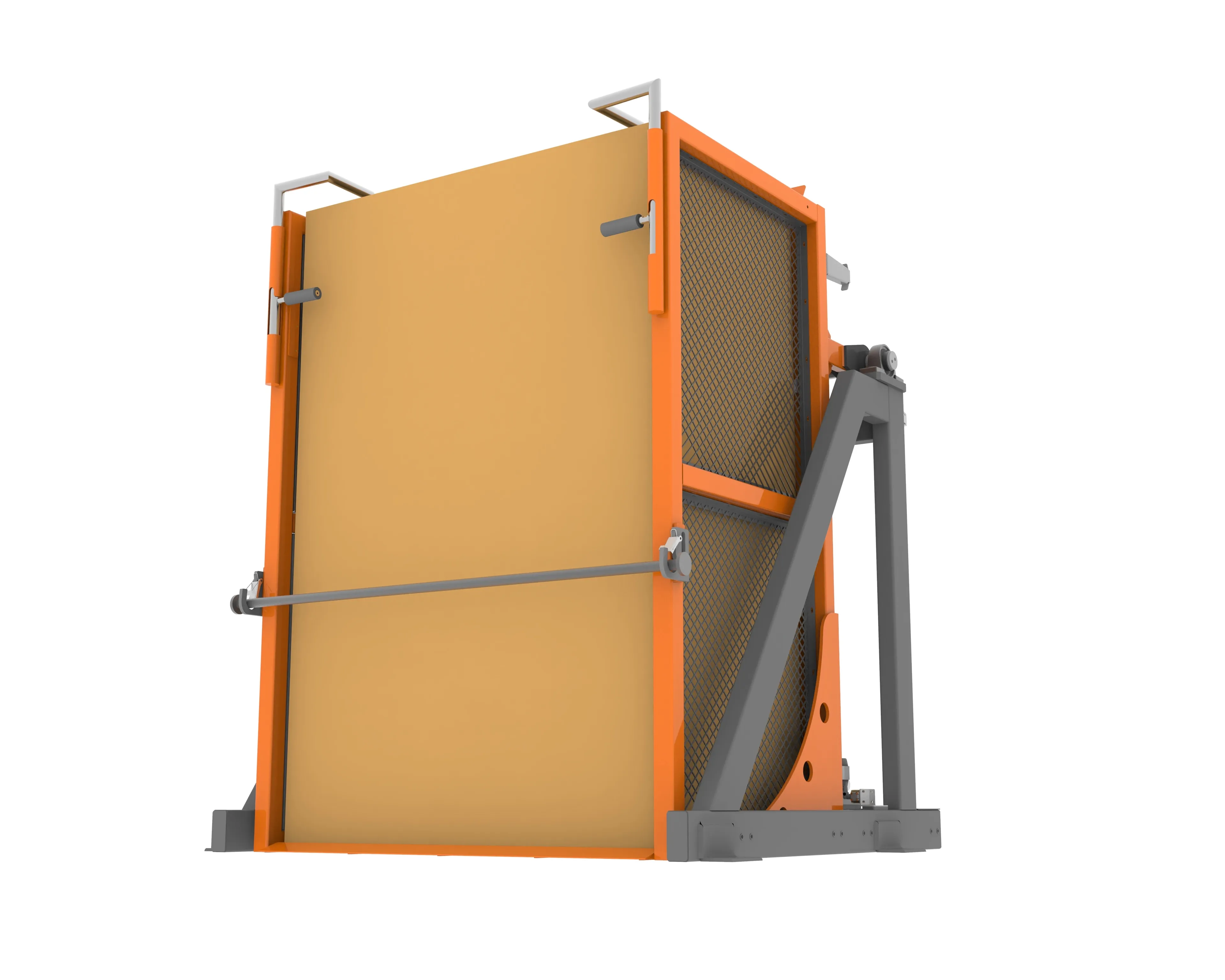
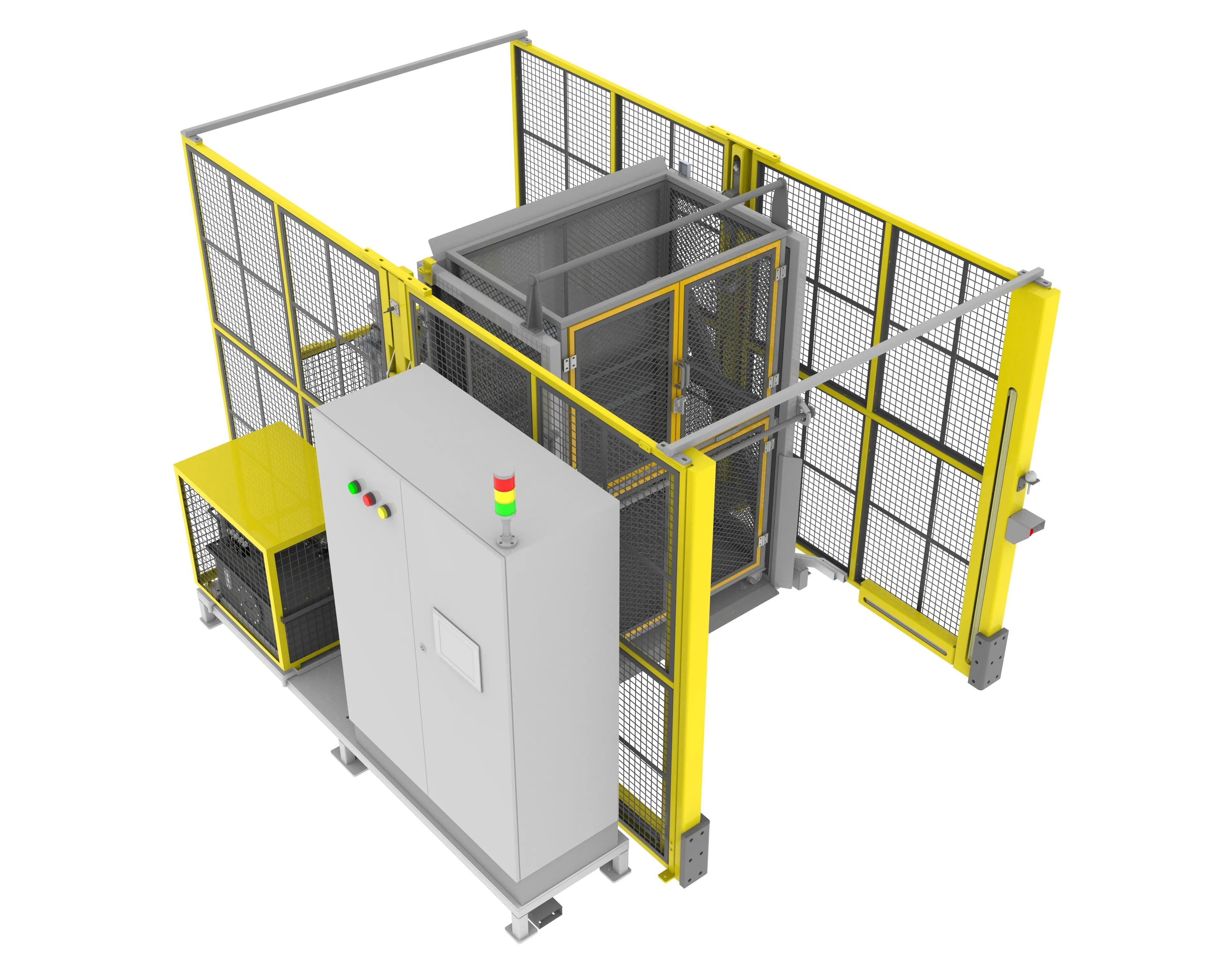
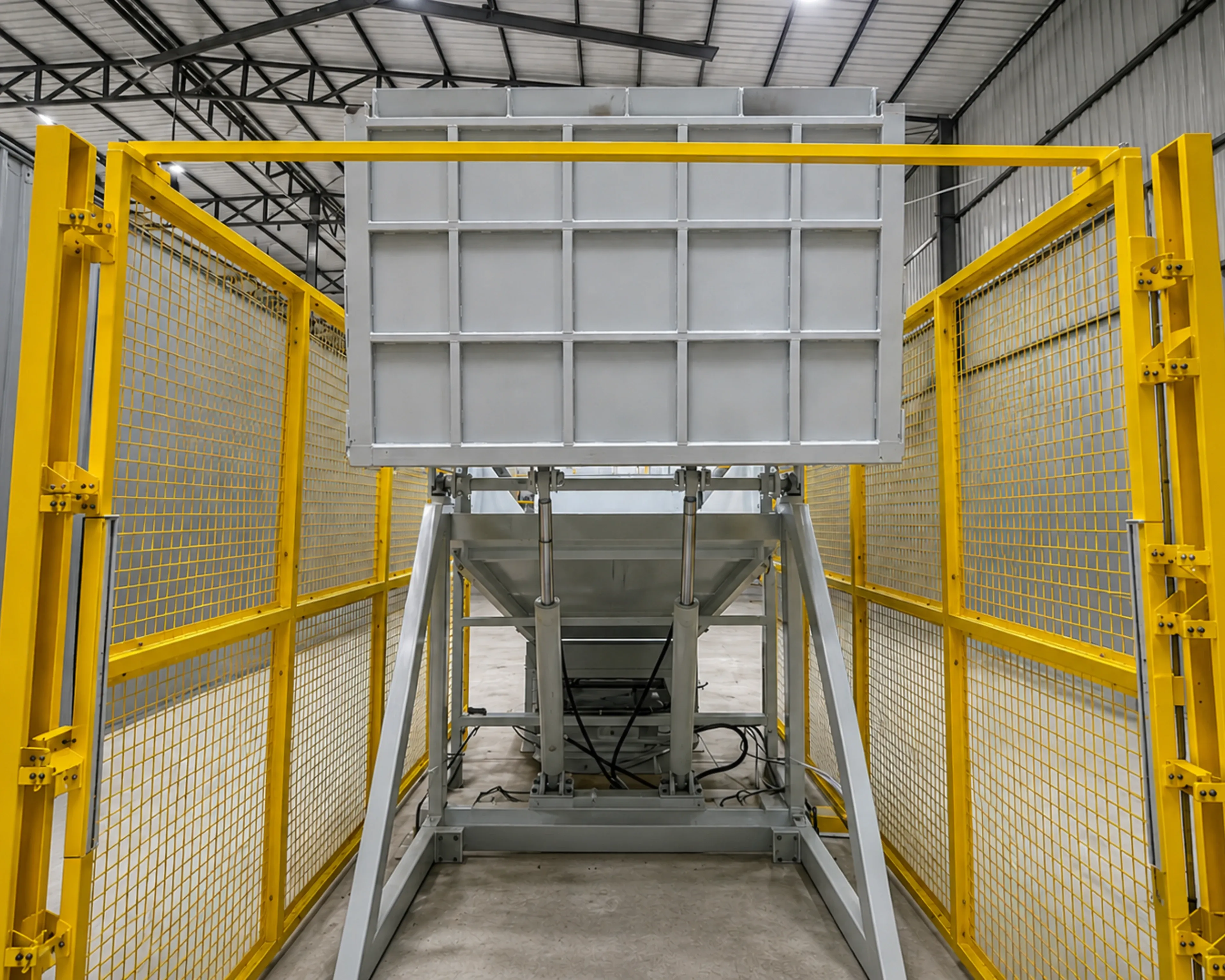
A Tipper assembly is a heavy-duty lifting and unloading system designed for efficient handling of bulk materials in transport, logistics, and warehouse automation environments. Using proven mechanical principles derived from dump-truck tippers, the system enables controlled tilting of scuttles, pallets, carts, or containers so that materials discharge smoothly under gravity. Depending on application and duty cycle, the tipper can be powered by hy...
Provides powerful and smooth lifting action using hydraulic cylinders for efficient unloading.
Heavy-duty frame supports high loads and repeated tipping operations.
Rear-hinged bed allows quick discharge of materials through tilting.
Enables stable rotation of the cargo bed during lifting and unloading.
Allows the operator to safely control tipping from the cabin or side panel.
Equipped with check valves and limit switches to prevent system failure or accidents.
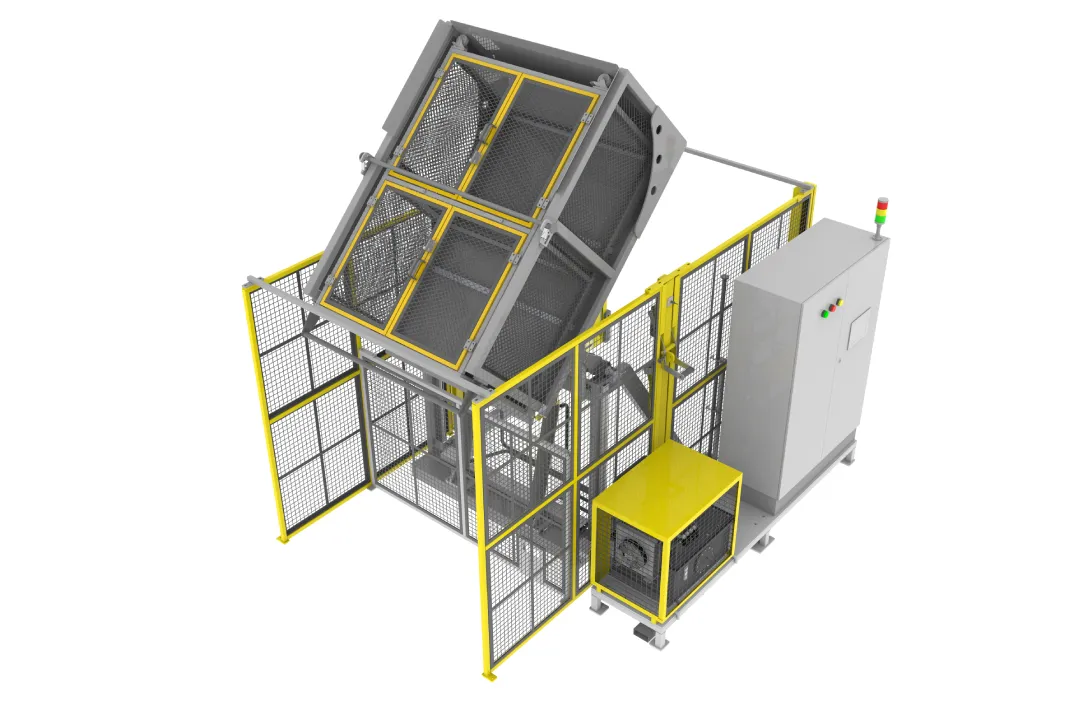
Discover the precision-engineered components that power our industry-leading sorting solution. This visual breakdown showcases the modular design elements that deliver unmatched efficiency, eliability, and adaptability for your operations.
The main structural base that supports the tipper body and all mechanical components.
The container that carries and unloads the material; usually rear-hinged for tipping.
Powers the lifting motion by extending to raise the tipper body.
Pressurizes hydraulic fluid to activate the lifting cylinder.
Stores hydraulic fluid for the system.
Directs hydraulic flow; operated by the driver to raise or lower the tipper body.
Rear hinge that allows the tipper body to rotate upward during tipping.
A rear door that opens (manually or automatically) to allow material discharge.
Transfers engine power to operate the hydraulic pump.
Located in the driver’s cabin; used to control the tipping action.
Provide additional stability when tipping heavy loads.
Mechanical supports used during maintenance to prevent accidental lowering.
Carry hydraulic fluid between the pump, cylinder, and valves.
Prevent overpressure and ensure safe hydraulic operation.
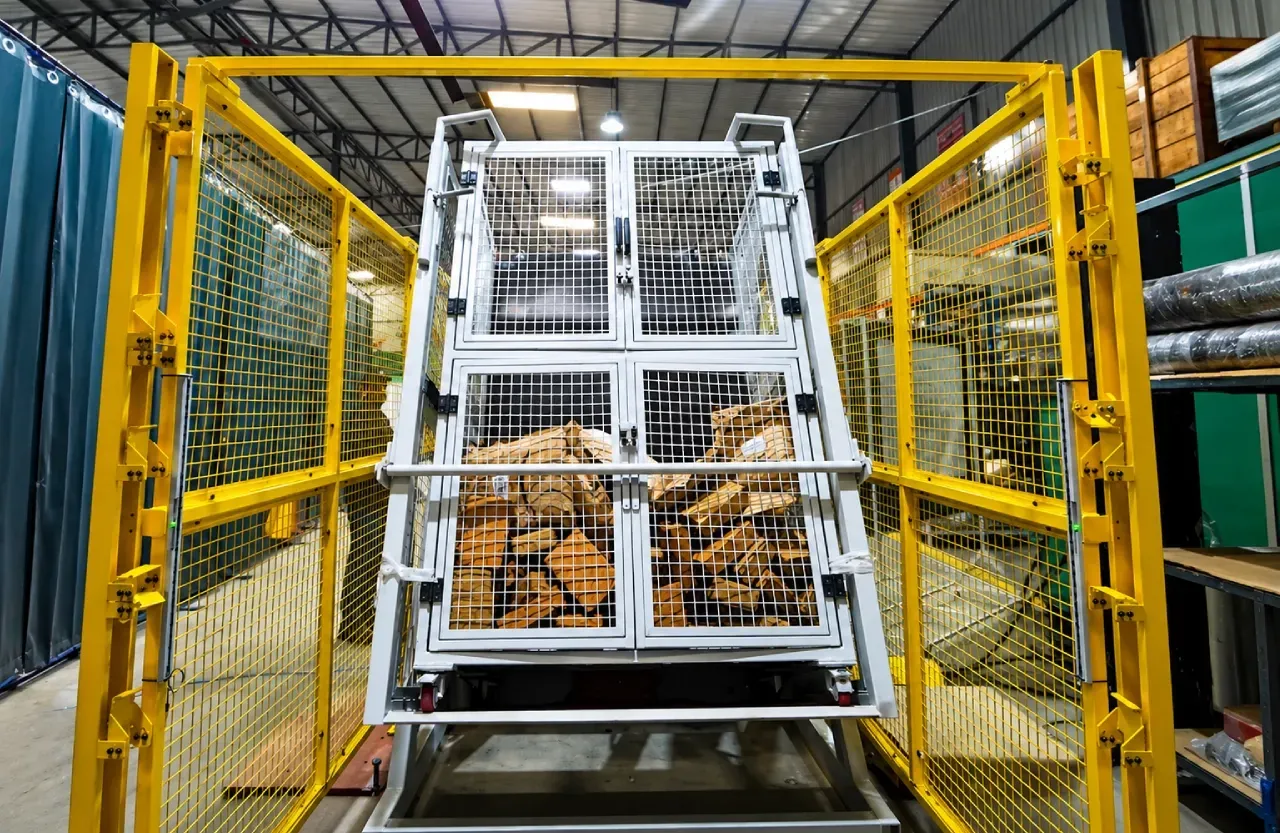
Engineered for heavy-duty applications, the unit supports load capacities up to 750 kg while ensuring stable and precise tipping operations for bulk material transfer processes.
750Kg
Load Capacity
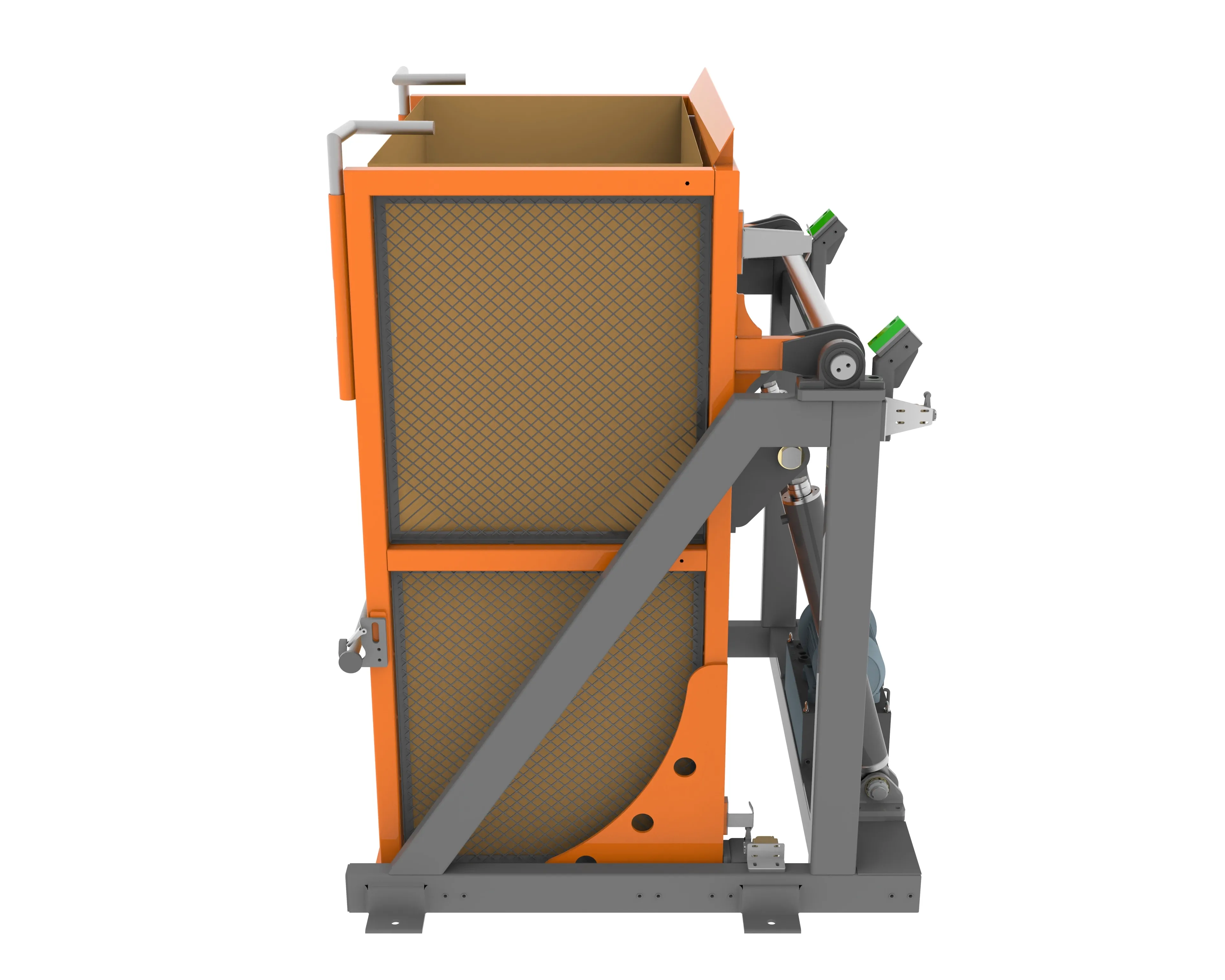
2225 mm x 2057 mm x 2442 mm
Tipper Size (LXWXH)
90 °,112.5°&135°
Tipping Angle
Lifting Unit ( Hydraulic Cylinder ), Cart Clamping/holding, Tipping angle Feedback type, Container detection sensor, Safety
Tipper Construction
Connect with our automation specialists to discover efficient, reliable, and cost-effective material handling and warehouse solutions tailored to your business needs.