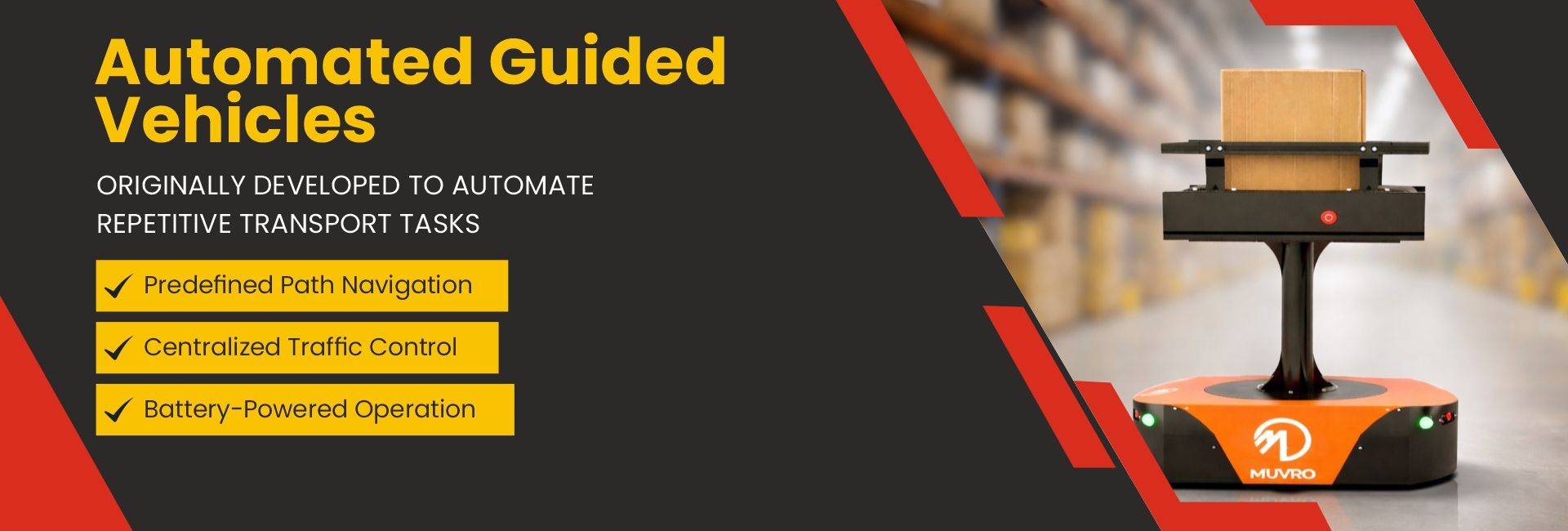
Automated Guided Vehicles (AGVs) are self-directed, mobile robots used to transport material, goods or products within a warehouse, factory or distribution center. They follow predefined paths using navigation systems such as magnetic tape, embedded wires, QR codes or laser guidance, moving safely and efficiently without human intervention. Originally developed to automate repetitive transport tasks, AGVs have become an important part of modern i...
AGVs follow fixed paths via magnetic tape, wires, QR codes or laser guidance for predictable and repeatable movements.
Designed for minimal human intervention moving pallets, bins or products from workstations to storage and shipping areas
Often controlled by a central software that schedules multiple AGVs, prevents collisions and prioritizes tasks.
Basic safety sensors (e.g. bumpers, lasers, ultrasonic) enable the AGV to detect obstacles in its path and stop or slow down.
Suitable for mounting conveyors, lifting equipment, forks or special platforms for different types of loads.
Great for work that’s repetitive in well organized environments where there is a high demand for precision and timing.
The structural base supporting the vehicle and the payload.
Sensors and hardware, such as magnetic tape sensors, laser scanners or QR code readers, to guide the AGV along predefined paths.
Electric motors and wheels for driving and steering.
Rechargeable batteries that supply energy to the vehicle and its systems.
Forks, conveyors, or lifts. Equipment used to pick up and move materials.
Processes sensor data. Executes commands. Controls vehicle functions.
Devices such as bumpers, ultrasonic sensors, and emergency stop buttons detect obstacles and prevent accidents.
Wireless communication tools (Wi-Fi, Bluetooth, RFID) for interaction with central control systems and other AGVs.
You can manually operate, diagnose and program it with panels, buttons or touchscreens.
Centralized coordination system for multiple AGVs, route optimization and collision avoidance.
AGVs require fixed guidance systems such as magnetic strips, wires or embedded markers in floors, which means expensive and time-consuming installation and limited route flexibility.
AGVs run on pre-defined paths, so re-programming or physical changes to the guidance system are required if the facility layout changes.
Costs for installation, hardware and integration can be high, especially for small and medium-sized businesses.
Scaling up AGV fleets requires complex scheduling to avoid traffic jams and collisions, which requires sophisticated management software.
Basic obstacle detection may require frequent stops of AGVs resulting in delays in busy or dynamic environments.
Regular maintenance is required for the guidance systems and sensors to stay accurate and reliable.
AGVs may not be easy to integrate with legacy warehouse or manufacturing systems, requiring custom solutions.
Battery charging down-time, system faults or navigation errors can affect the productivity.
AGVs are generally safe but when operating around humans they must adhere to strict safety protocols to avoid accidents.
AMRs are more flexible and adaptable, which could cut back on the need for traditional AGVs in some cases.
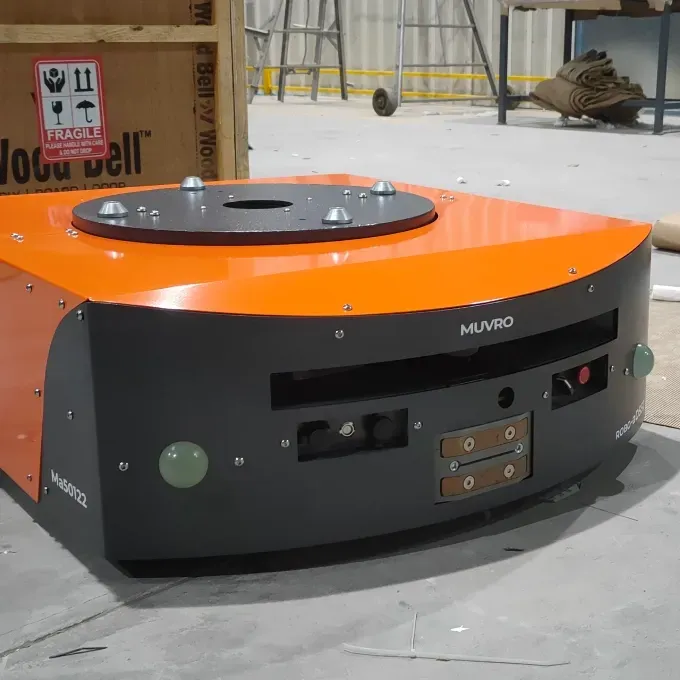
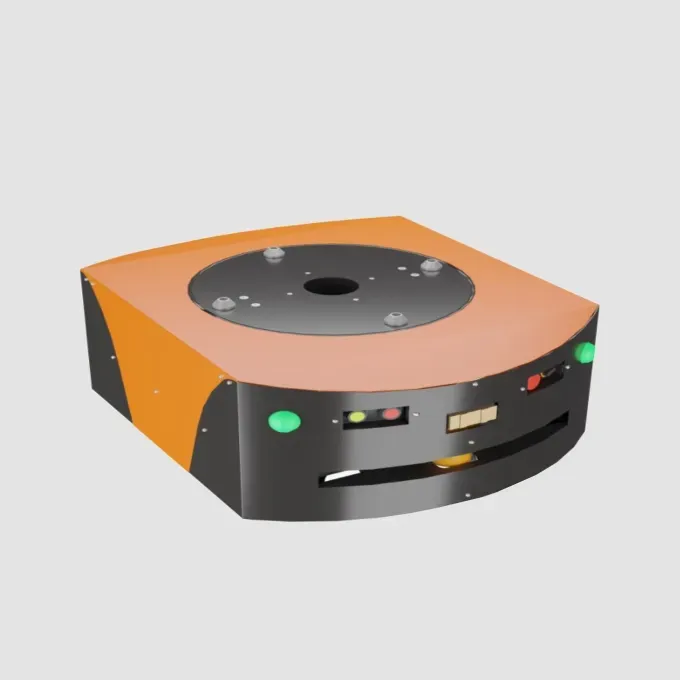
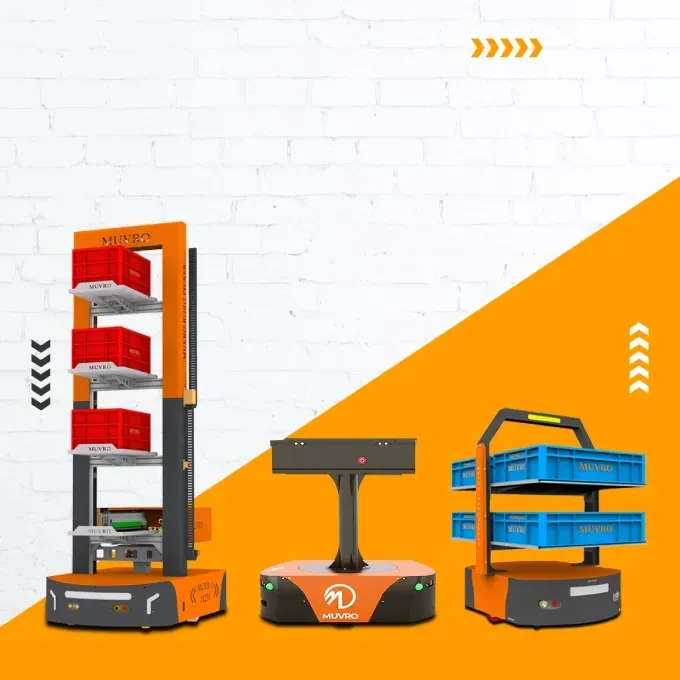
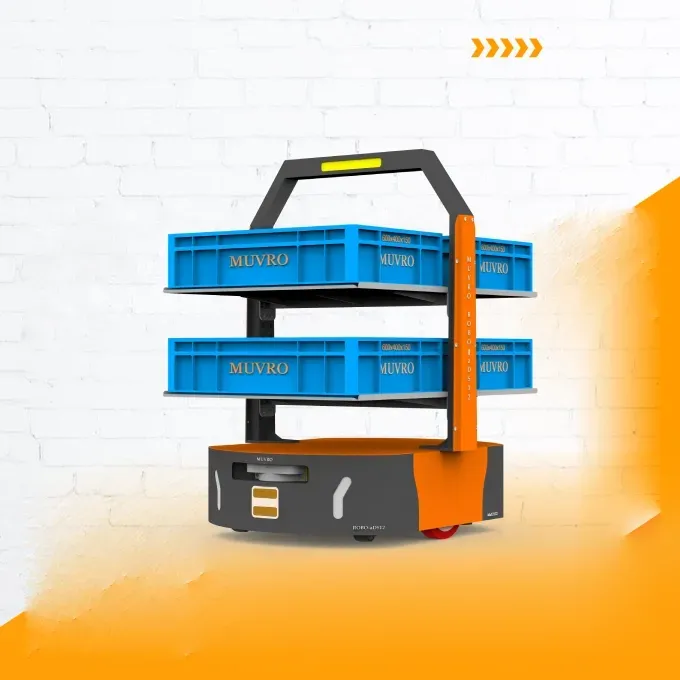
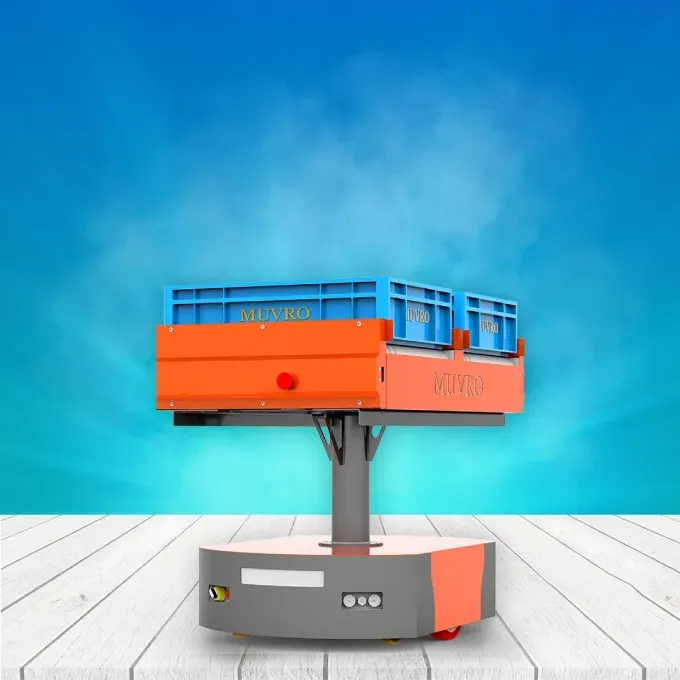

Connect with our automation specialists to discover efficient, reliable, and cost-effective material handling and warehouse solutions tailored to your business needs.